Rebuilding a Children's Ministry Rota After Half the Team Left
One small congregation lost most of its Sunday school team in a single spring. This is the sequence that rebuilt the roster: fewer rooms, written role descriptions, a screening cohort and a real end date.
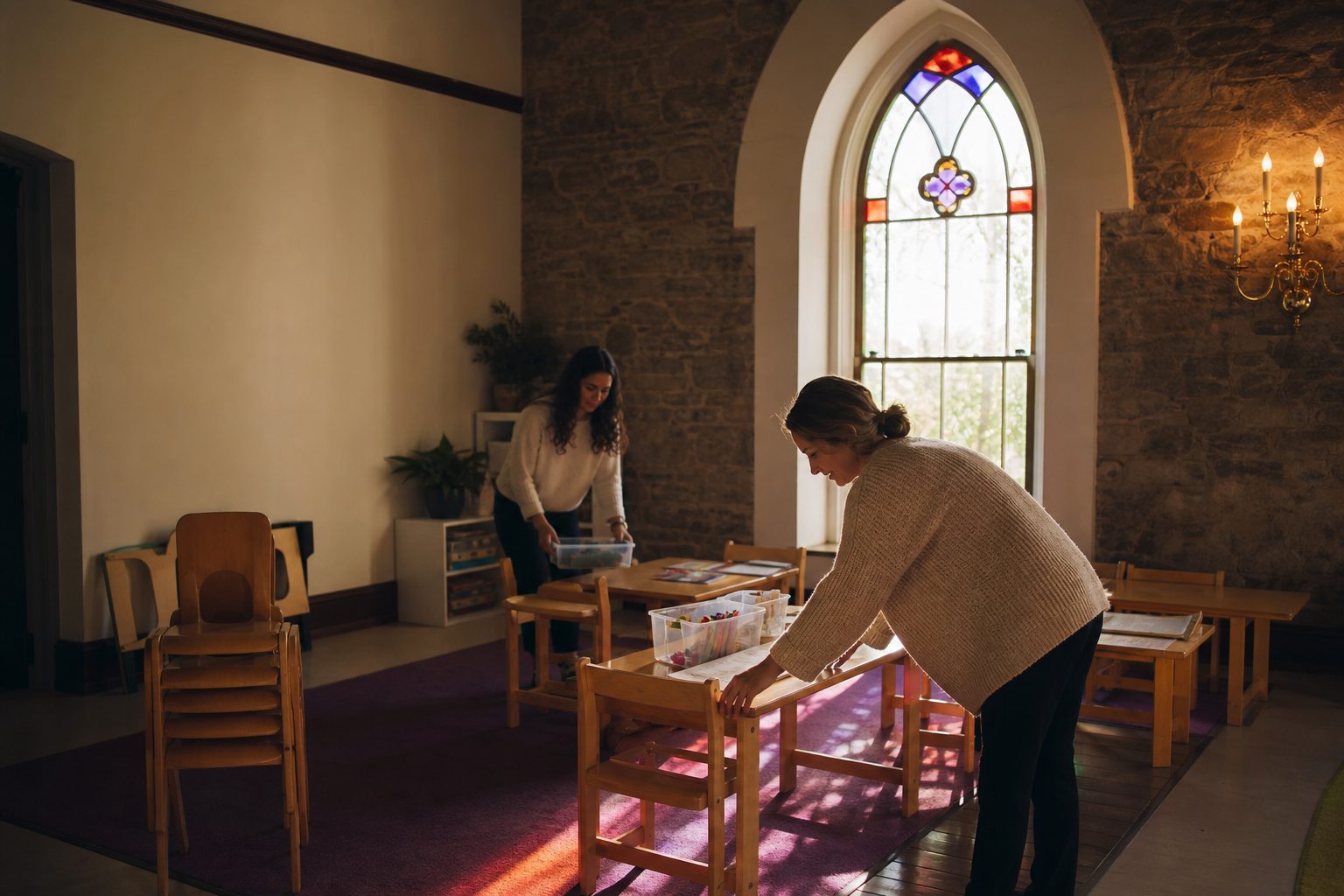
The starting position: four classrooms and not enough screened adults
Last spring, the children's ministry at Grace Community Church faced a sudden volunteer crisis. Over half their Sunday school team, six out of eleven adults, stepped away within five weeks. Some left for family reasons, others moved away, and a few burned out after two challenging years. The children's director, Amy, found herself with only five background-checked adults for a program that had run four classrooms by age group: preschool, kindergarten, lower elementary, and upper elementary.
Every week, the church hosted between 40 and 55 children on Sunday mornings. Their policy required two adults per classroom. The numbers did not add up. Amy knew she needed more adults to meet safety and supervision standards. But with summer approaching and no quick fix, she had to rethink how to keep the program running at all.
Keep reading: The Once a Month Volunteer: Staffing Sundays With Shorter Terms
Consolidating rooms before recruiting a single new person
Before Amy even considered recruiting new volunteers, she and her pastor mapped out the actual minimum needed to keep kids safe. The church's child protection policy required the "two adult rule" at all times. With only five screened adults, that meant only two rooms could open each Sunday.
Grouping by age bands
They merged the four classes into two wider age bands: preschool to kindergarten, and first through fifth grade. This meant more crowded rooms, but it was the only way to stay compliant. Amy prepared the teachers for bigger age spreads and set up activity bins for wide-ranging skills. They also brought in two youth helpers over 13 to assist, with the understanding that there would still be two screened adults per room.
Communicating with parents
The staff sent a letter to parents explaining the changes. They made the case for safety, not just convenience. They told families that these adjustments would last until a new team formed. Some parents offered to help, but most wanted to understand how long the squeeze would last. Amy was honest: it depended on finding, screening, and training new volunteers.
Writing a one page role description for every open slot
The next step was to clarify exactly what each volunteer would do. Amy and her assistant wrote a one-page description for each role: lead teacher, co-teacher, substitute, and youth helper. These outlines covered weekly tasks, time commitment (one or two Sundays per month), and expectations for training and background checks.
- Lead Teacher: Prepares the lesson, welcomes students, leads activities, communicates with parents as needed.
- Co-Teacher: Assists the lead, manages attendance, handles bathroom breaks, and helps with crowd control.
- Substitute: Fills in with advance notice, attends training, and commits to a minimum number of Sundays per year.
- Youth Helper: Assists with crafts and games, reads stories, never left alone with children.
Each description included the phrase, "You will not be alone with children. You will always serve with another screened adult." This language helped reassure hesitant prospects, and their families, that expectations were clear and boundaries respected.
Keep reading: New Volunteer Onboarding Checklist: Application to First Sunday
Recruiting by direct personal ask instead of a pulpit announcement
Amy chose not to stand up on Sunday and ask for help from the whole congregation. In the past, pulpit appeals had brought a handful of one-time signups, but most faded away quickly. Instead, she and the pastor made a list of people they knew might fit the ministry's needs. They focused on parents whose children used the program, longtime members with teaching experience, and people who had served in other roles.
Face-to-face invitation
Each person on the list received a personal invitation over coffee or after church. Amy presented the one-page role description and explained the need for a limited term (more on that below). She asked each candidate to consider a specific slot and gave them a week to think it over. No one was pressured on the spot. Amy says this approach led to more honest conversations about time, comfort level, and fit.
Respecting a "no"
Some people declined. Reasons ranged from health to travel to already being stretched too thin. Amy thanked each person and, if appropriate, asked if she could check back in six months. She did not try to fill every slot at once. Instead, she focused on building trust and a realistic, sustainable team.
Running screening and training as one cohort rather than one at a time
In previous years, new volunteers started as soon as their background check cleared, sometimes alone and untrained. This time, Amy waited until she had at least six new recruits, then scheduled one group orientation. She ran the background checks in parallel, submitted the reference forms together, and booked a Saturday morning for group training.
The cohort approach
This cohort style had three benefits. First, it saved staff time by handling paperwork and orientation once, not over and over. Second, it built camaraderie among the new team members. They got to know each other before serving, which meant less anxiety on the first day. Third, the group environment allowed for team-building exercises and shared questions. Newcomers learned from each other and felt less isolated.
After the training, Amy matched pairs of new volunteers with experienced teachers for shadowing. Everyone had a chance to observe before leading a room. This method also made it easier to spot who was not quite ready and who might flourish in a particular role.
See how PewRoster handles this for faith communities
Setting a serving term with an end date and a renewal conversation
One of the biggest shifts in the new roster was the introduction of a fixed serving term. Amy asked each volunteer to commit to four months, June through September, with a sit-down review before the fall schedule began. She told recruits up front that they could step back at the end of the term, no questions asked.
Clear expectations reduce burnout
Setting a clear end date helped on two fronts. First, it gave nervous new volunteers permission to try the role without feeling trapped. Second, it forced the leadership to plan for turnover and regular recruiting, rather than rely on a permanent "few." At the end of the term, Amy met with each team member and asked how things had gone, what could improve, and whether they wanted to continue. Some took a break, some shifted roles, and a few signed on for another term. Everyone appreciated the honesty of the process.
The first full month back on a published rota
After six weeks of recruitment and training, the children's ministry finally had enough adults to open both rooms every Sunday. Amy used a simple spreadsheet and a shared calendar to map out the next eight weeks. Each volunteer could see their assigned Sundays, swap shifts if needed, and contact partners in advance. Reminders went out midweek, and substitutes filled known gaps.
Stability returns
The first month back was not perfect. A few last-minute illnesses meant scrambling for a backup, and one new volunteer realized the role was not a good fit after just two Sundays. But there were no safety gaps, no closed classrooms, and no days when children were turned away. Over time, more parents saw how the system worked and a few offered to join the fall cohort. The program had survived the disruption, and the new system was stronger than before.
What the team would do differently the next time
Looking back, Amy and her team identified several lessons. First, clarity and honesty matter more than optimism. Families appreciated knowing what was happening. Second, written role descriptions removed confusion and set boundaries. Third, the group screening and training saved energy and built a sense of team.
Next time, Amy would start recruiting before a crisis hit, even if the team looked stable. She would also ask more parents directly about their willingness to serve, and consider a "buddy system" for new recruits. Finally, Amy realized that a published rota with self-serve swaps reduced last-minute stress. Volunteers liked being able to see who else was serving, swap shifts as needed, and get reminders without chasing down the office each week.
For faith communities managing volunteer rotations, tools that allow self-service swaps, automated reminders, and clear team availability make it easier to sustain a healthy roster, especially when the unexpected happens.
Read also
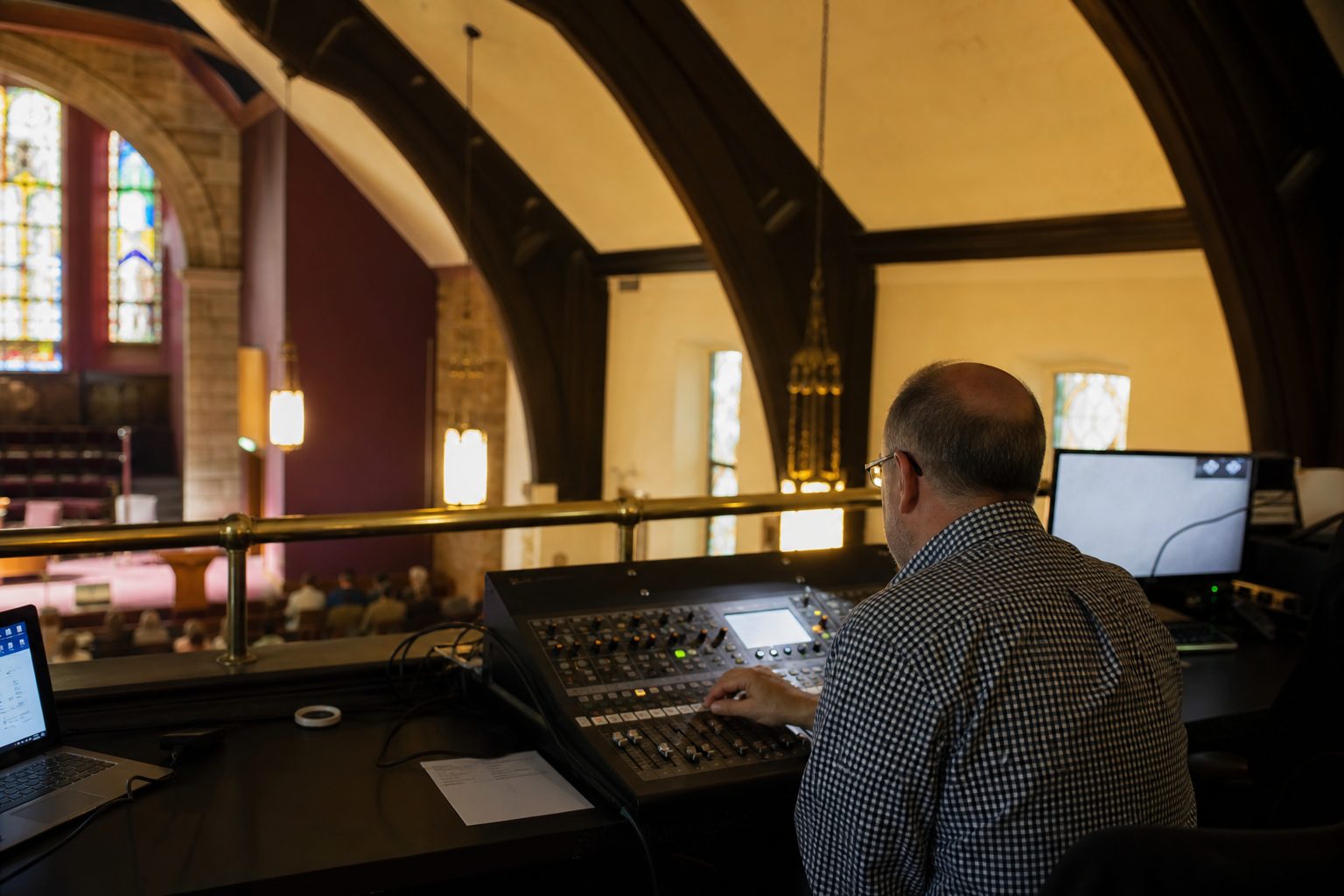
The Once a Month Volunteer: Staffing Sundays With Shorter Terms
Serving commitments are getting shorter, teams are getting older, and the tech booth has become a permanent role. What those shifts do to a small church rota, and how to build a schedule that expects them.
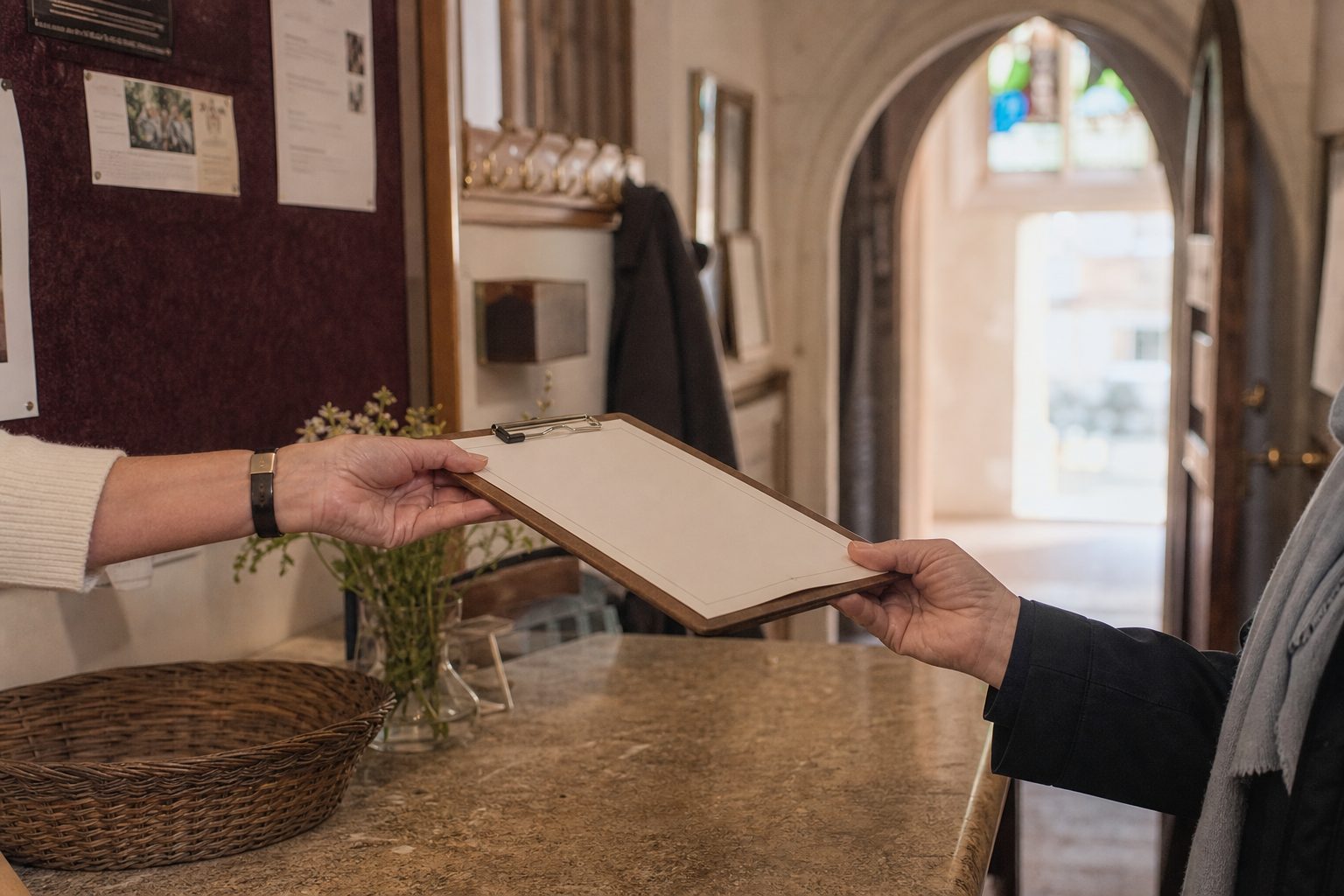
New Volunteer Onboarding Checklist: Application to First Sunday
Every step from the moment somebody says yes to their first solo shift: the application, references, screening, the six month rule, a signed policy, a shadow Sunday and the calendar entry that closes it out.

How Many Volunteers a 150 Seat Sunday Actually Needs
Slot count times rotation depth, plus a bench. The arithmetic behind a covered Sunday, using published child to adult ratios, the two adult rule, and what a once a month commitment does to roster size.