How to Build a Six Week Serving Rota for a Small Church
A repeatable method for filling nursery, greeter, sound and communion slots six Sundays out, with swap deadlines volunteers understand and a bench deep enough to survive flu season.
Why six weeks out is the sweet spot for a small church rota
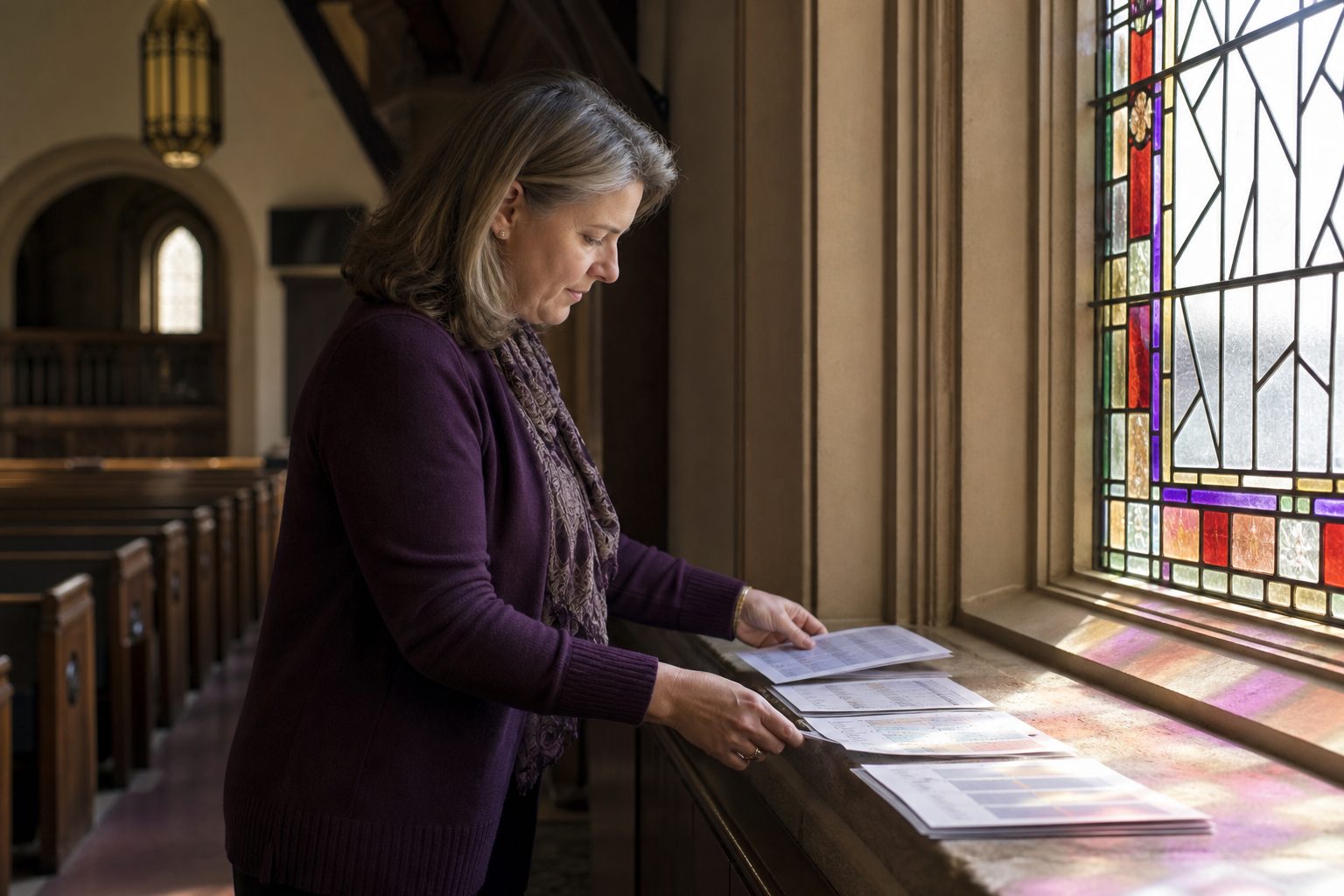
Many small churches struggle to find the right scheduling window. Too short, and you end up scrambling every Sunday morning, reacting to last-minute changes. Too long, and life events disrupt your best-laid plans. In most small congregations, a six-week rota strikes the right balance. It lets you plan ahead, but not so far out that volunteers forget, or that you get caught by surprise when someone's situation changes.
Six weeks covers enough Sundays to allow for family plans, travel, and the usual bumps of life. It's long enough to give volunteers notice so they can arrange swaps or block out dates on their calendars. At the same time, it's short enough to limit how many changes you'll have to manage, especially during busy seasons. Volunteers appreciate knowing their commitments without feeling locked in for half the year.
This cycle repeats eight or nine times a year, fitting neatly with most church calendars. It leaves room to schedule special events and allows you to reassess between cycles. For a church under 300, this makes the rota easier to manage and more likely to run smoothly.
Keep reading: Paid Nursery Worker or Volunteer Rota: Cost, Payroll, Risk
Inventory every slot a single Sunday morning actually requires
Before you fill your rota, you need to know exactly what needs covering. In many churches, this starts with the obvious: nursery, greeters, sound board, communion prep and servers. But hidden gaps often surface when you walk through a real Sunday morning step by step.
Start with the essentials
List the roles that must be present for a service to happen safely and smoothly. This usually means one or two nursery workers per room, two or more greeters, a sound tech, and someone to prepare and clean up communion. If your church offers children's church or prayer teams, add those too.
Factor in double coverage and subs
No church escapes illness or last-minute family needs. For crucial areas like nursery and sound, you may need a second person scheduled or at least a designated "on call" substitute. Note these backup spots on your inventory.
Write down the time frame for each role
Some jobs, such as opening doors or making coffee, start before the service. Others, like cleaning up communion, finish after. List when each volunteer is expected to start and finish. This helps avoid overload, like assigning someone to two overlapping duties.
Once you've built this inventory, you have a master list of every slot you need to fill for a typical Sunday. Multiply each slot by six, and you know the full demand for your next rota cycle.
Collect availability once a quarter instead of asking every week
One of the fastest ways to frustrate volunteers is to pester them for their schedules week after week. Instead, ask for a full quarter's availability at once. This means you can plan three consecutive six-week cycles or adjust for a twelve-week stretch if your church prefers.
How to gather the information
Send out a simple form, paper or digital, asking volunteers to block out dates when they know they'll be away. This could be travel, family obligations, or work conflicts. Asking for this up front sets expectations and reduces "sorry, I forgot to tell you" situations.
Make it clear when the deadline is for submitting availability. If someone misses it, they may receive assignments for dates they can't serve, and swaps will be up to them. Volunteers appreciate this clarity and tend to respond faster when they know the window is short.
Keep records up to date
After each cycle, update your list of active volunteers. People move, have babies, or take a break. Keeping your roster accurate each quarter prevents last-minute gaps and avoids scheduling someone who's no longer available.
This quarterly rhythm means less chasing and fewer last-minute surprises. Volunteers are more likely to honor commitments they've planned for well in advance.
Keep reading: Seven Rota Mistakes That Burn Out Church Volunteers
Draft the whole cycle in one sitting, then freeze it
With your slot inventory and volunteers' availability in hand, sit down for one focused session to build the entire rota. This reduces errors and makes it easier to spot imbalances, like someone serving every week, or one volunteer overloaded with multiple roles.
Use a grid or table
Lay out all six Sundays across the top, with roles listed down the side. Fill in names based on availability, making sure no one is double-booked. Some coordinators use sticky notes, others prefer spreadsheets or dedicated software. The key is to see the whole cycle at once.
Balance fairness and skill
Certain roles, like sound or children's ministry, may have a smaller bench. Avoid burning out your few experts by spacing their assignments or pairing them with trainees. For jobs more people can handle, rotate assignments so nobody feels left out or overused.
Once the rota is drafted, "freeze" it. This means you do not accept further availability changes for that cycle, except in emergencies. Volunteers now know where they stand, and you won't be redrafting the rota every week.
Set a swap deadline and put the swap in the volunteer's hands
No rota survives contact with real life. Someone will get sick, have a work emergency, or forget a commitment. The trick is to plan for these swaps without turning every Sunday into a scramble.
Establish a clear swap deadline
Set a rule: swaps must be arranged no later than a certain number of days before the service, often by Thursday for Sunday. If a volunteer cannot serve, it's their responsibility to find a replacement from the approved list. They notify the coordinator only when the swap is final.
This approach fosters accountability and reduces last-minute stress for everyone. Volunteers who know they need coverage have time to ask, and you as the coordinator aren't left calling down the roster on Saturday night.
Provide tools and contact lists
Give volunteers the means to contact others easily. This could be a shared phone list, text group, or access to a scheduling tool where swaps can be requested and confirmed. When people can see who is available and willing to swap, they resolve conflicts faster.
Remind volunteers that swaps are not just about filling a slot but making sure someone trained and trusted is there. For safety-sensitive roles like nursery or sound, keep an eye on experience levels during swaps. If in doubt, have a quick approval process for new pairings.
See how PewRoster handles this for faith communities
Publish, remind and confirm without chasing anyone by phone
Once your rota is set, publishing it clearly is vital. Volunteers need to know when they are scheduled, receive reminders, and be able to confirm or request changes without a dozen phone calls.
Choose the right channels
For some churches, a paper copy on the bulletin board still works. Most, though, rely on email, group texts, or church apps. The goal is that everyone gets the rota in a way they will actually see. Digital methods make it easier to send reminders and allow for quick updates.
Automate reminders
Send a reminder two to three days before each volunteer's shift. This can be an automatic email or text, or a scheduled reminder through a volunteer management tool. Reminders reduce no-shows and give people one last chance to arrange a swap if something has changed.
Ask volunteers to confirm their slot, either by replying to the message or marking themselves as present in a scheduling app. When you see confirmations coming in, you know where you might still have a gap, and you can act early.
Avoid chasing people by phone unless it's a true emergency. With a clear rota, timely reminders, and easy ways to confirm attendance, most volunteers will stay on track.
Build Christmas Eve, Easter and summer travel as separate schedules
Special seasons create unique challenges for small church rotas. Christmas Eve, Easter, and summer travel periods rarely fit the normal six-week cycle. Attendance jumps or dips, service times shift, and many families travel or host guests.
Isolate special schedules
Treat these periods as stand-alone schedules. For holidays, ask for availability early, often six to eight weeks ahead. Build a separate rota for Christmas Eve or Easter, ensuring every slot is filled for those services. Communicate clearly that these are special assignments and may require different teams or additional volunteers.
Plan for lower availability in summer
During summer, more families are away, and youth helpers might be at camp. Consider trimming your rota to the minimum required, and ask some volunteers to serve extra if they are in town. Communicate expectations early and check in with volunteers before finalizing the summer schedule.
These separate schedules prevent confusion, honor volunteers' family time, and make it easier to say thank you for extra service during busy seasons.
Managing a six-week rota with clear deadlines, easy swaps, and special schedules for holidays is easier when you use a tool designed for church volunteer scheduling. A system that supports self-serve swaps, automated reminders, and up-to-date team availability can help small churches keep every slot filled, without burning out coordinators or volunteers. PewRoster is built for exactly this need.
Read also
Paid Nursery Worker or Volunteer Rota: Cost, Payroll, Risk
Two ways to keep the nursery covered every Sunday. One brings payroll, wage rules and workers compensation. The other brings recruiting, screening and the risk of an empty room at nine o'clock.
Seven Rota Mistakes That Burn Out Church Volunteers
The same twelve people serve every week, the schedule lands on Friday night, and nobody knows who covers the door. These are the scheduling habits that quietly empty a serving team, plus the fix for each.

Background Checks and Mandated Reporting for Church Volunteers
What law actually requires before a volunteer works with children, how the National Child Protection Act opens state and FBI records to nonprofits, and where mandated reporter duties begin for church staff.