Seven Rota Mistakes That Burn Out Church Volunteers
The same twelve people serve every week, the schedule lands on Friday night, and nobody knows who covers the door. These are the scheduling habits that quietly empty a serving team, plus the fix for each.
Leaning on the same dozen people because they always say yes
Every church has a core group who show up, set up, and say yes when asked. These reliable volunteers fill the schedule and keep things running. But relying on them too often leads to burnout. When the same people are always first on the rota, they stop feeling helpful and start feeling used.
Volunteers who rarely get a Sunday off may feel guilty taking a break. They may serve out of obligation rather than joy. This creates a quiet pressure that pushes people to the edge until one day, they disappear altogether. The pool shrinks, and the work piles onto even fewer shoulders.
The fix is simple in principle but hard in practice: keep track of who serves and how often. Spread the load whenever possible. Offer new roles to quieter members and be explicit that rest is valued. Some churches use a "one month on, two months off" approach or set a maximum number of weeks per person per quarter. However you do it, avoid rewarding willingness with more work. Rotate everyone, not just the regulars.
Keep reading: Background Checks and Mandated Reporting for Church Volunteers
Publishing the schedule too late for anyone to plan around it
Few things frustrate a volunteer more than getting their assignment after the week has already filled up. When the rota comes out on Friday night for a Sunday morning, families are left scrambling. People with other commitments have no time to swap or prepare. The result is last-minute cancellations and a sense that volunteering is a burden.
Schedules dropped at the last minute also signal disorganization. Volunteers wonder if their time is valued. When people do not know their rota until the eleventh hour, they hesitate to sign up again next term. This hurts retention and makes recruiting even harder.
To avoid this, set a calendar for publishing the schedule. Some teams send it out at the beginning of each quarter, others one month ahead. The key is consistency. Give people time to review their dates, ask questions, and request changes. If you know your volunteer pool is mostly parents or shift workers, aim to send the rota at least three weeks before the first slot. Reliable lead time pays off in fewer no-shows and happier teams.
Scheduling both parents of one family into the same hour
Many churches rely on couples and families to fill volunteer roles. But if both parents are scheduled for the same service, the family faces a dilemma: find childcare, bring kids to the role, or decline altogether. For parents with young children, this can feel impossible.
Even for families with older kids, double-booking both adults can mean nobody sits together in worship. When this happens week after week, parents may step back from serving altogether. The church loses two volunteers and likely the entire family's engagement for a season.
To fix this, keep a record of family units. As you build the rota, check that both parents are not on duty at the same time unless requested. Some scheduling tools allow families to link their availability, so if one parent is serving, the other is automatically marked unavailable. If you're scheduling by hand, a simple spreadsheet with family groupings can prevent these clashes.
Keep reading: Rebuilding a Children's Ministry Rota After Half the Team Left
Never writing down what the role actually involves
"Greeter," "usher," or "tech team" can mean very different things from one Sunday to the next. When you do not document what a role requires, volunteers show up unsure what to expect. New team members may arrive too early or too late, or miss key duties because nobody told them what counts.
This ambiguity makes it harder to recruit new people. It also risks key steps being skipped, like checking bathrooms or counting offering baskets. Volunteers want to know what's expected before they say yes. Without written responsibilities, you end up relying on the memory of whoever last did the job.
The solution is a simple written description for each duty. This does not need to be a novel: a one-page checklist is enough. Include start and end times, main tasks, location, and the name of a contact person. Post the sheet in the supply cupboard, email it with the rota, or attach it to the reminder. Volunteers who know what to do serve with confidence and are more likely to say yes again.
Routing every swap through the coordinator's phone
When life interrupts, volunteers need to swap duties. But if every change has to go through the coordinator, the process becomes slow and stressful for everyone. A volunteer who knows they cannot make it may wait to ask, hoping not to inconvenience you. Some will just not show up, rather than risk a "no" or a scolding text.
Coordinators swamped with swap requests also risk missing important details. A flurry of last-minute texts on Saturday night is a recipe for confusion. Some swaps get missed, and roles go unfilled. The coordinator feels pressure to solve every problem and may burn out themselves.
The answer is to let volunteers manage their own swaps, within clear boundaries. Allow team members to contact each other directly. Some churches post a phone list or use a group chat. Others use scheduling apps that let people offer and accept swaps without a middleman. The coordinator still oversees the process but does not have to be the only gatekeeper. This gives volunteers ownership and reduces bottlenecks.
See how PewRoster handles this for faith communities
Treating a yes as permanent until the volunteer quits outright
Too often, a volunteer's "yes" is treated as a lifetime contract. Once someone agrees to serve, they are scheduled until they finally muster the courage to say they need a break. This is especially common for roles seen as less desirable, like nursery duty or sound desk.
Volunteers rarely want to quit outright. Most wait too long to step back, worried they will let people down. By the time they do, they may already feel resentful or exhausted. This is when you lose not just a volunteer, but a friend.
A better approach is to build in natural stopping points. Schedule for defined terms, one quarter, one semester, or a single school year. At the end, check in. Ask if they want to continue, switch roles, or take a break. Make it clear that serving is for a season, not forever. Volunteers are more likely to return if they know there is an off-ramp that does not require a dramatic exit.
Skipping the bench, so one flu week collapses the whole morning
Many small churches run with just enough volunteers to fill each slot. There is no backup list and no "bench" of people who can step in. When flu season hits, or a family emergency takes out a team, the whole Sunday can unravel. Greeters' tables go unmanned, the coffee is late, and everyone scrambles to cover gaps.
This razor-thin margin creates stress and makes the service feel fragile. Volunteers come in sick rather than let the team down. Burnout spreads when people feel like everything rests on their shoulders every week.
Building a bench takes planning. Start by asking a handful of people to be "on call" one Sunday each month. Some churches have a float team: folks who are not on the regular rota, but can step in with a day's notice. Keep a list of willing substitutes and make sure each team knows how to ask for help. Even a small bench makes the rota more resilient, especially in winter or during school breaks.
Changing the pattern without guilting anyone from the front
Even the best volunteer systems need to evolve. As your church grows, shrinks, or tries new ministries, roles and schedules must adapt. But change is hard, and it is tempting to use guilt from the pulpit to fill slots or justify new systems. Public pleas can backfire, making volunteers feel unappreciated or pressured. When people hear "nobody wants to serve anymore," it erodes morale and makes newcomers wary of stepping up.
Instead, communicate changes privately and with empathy. Explain why the shift is needed and how it will help the team. Invite feedback and listen to concerns. When changing the schedule, give plenty of notice and spell out how the new system works. Celebrate those who have served faithfully, and make it easy for others to join in or take a break. Clear, private, and positive communication keeps volunteers engaged without resentment.
Modern scheduling tools now let teams see open slots, swap duties, and set availability without a flurry of emails or texts. This makes it easier to share the load and avoid the mistakes that lead to burnout. For churches under 300, systems like these offer the flexibility and clarity that keep serving joyful and sustainable.
Read also

Background Checks and Mandated Reporting for Church Volunteers
What law actually requires before a volunteer works with children, how the National Child Protection Act opens state and FBI records to nonprofits, and where mandated reporter duties begin for church staff.
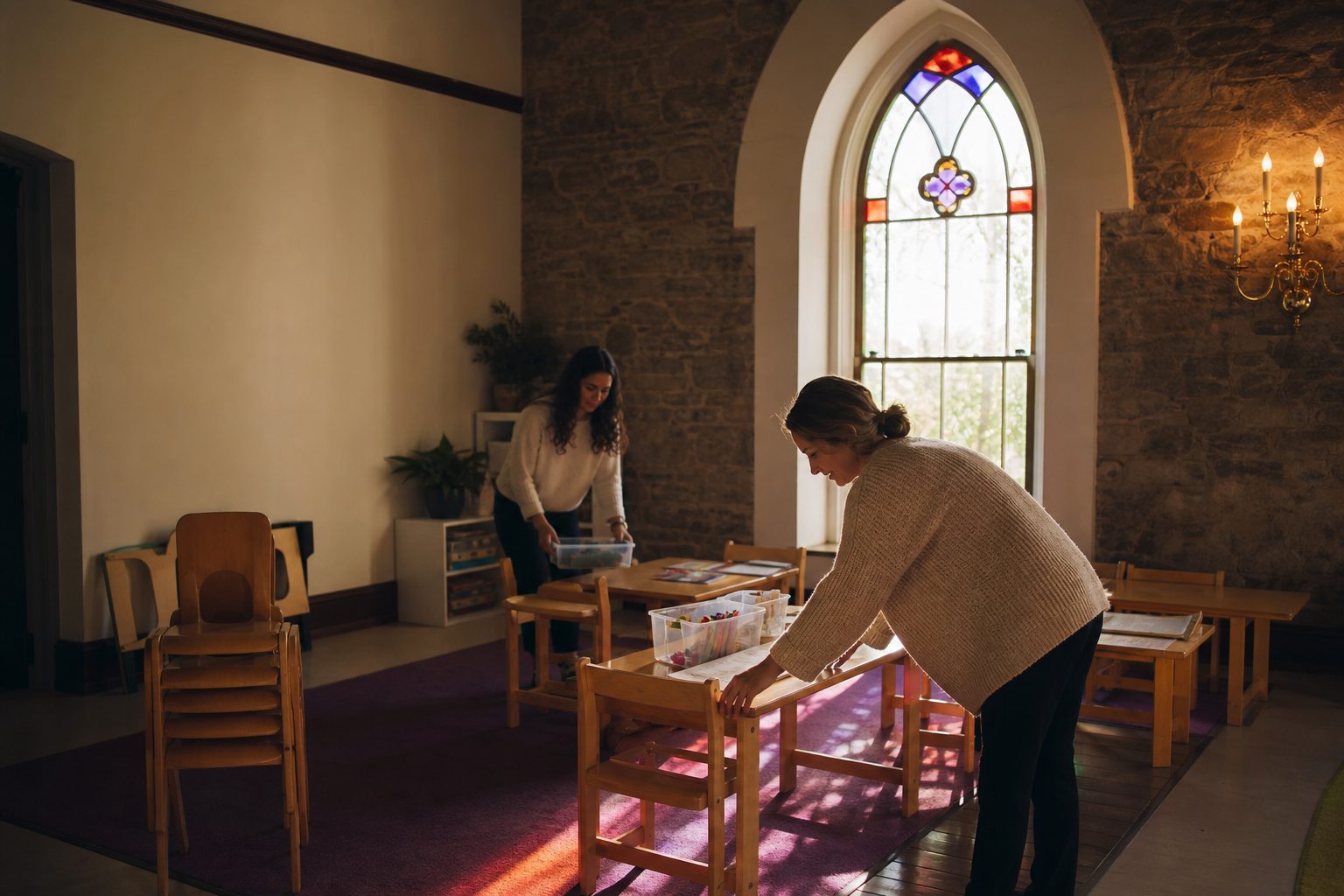
Rebuilding a Children's Ministry Rota After Half the Team Left
One small congregation lost most of its Sunday school team in a single spring. This is the sequence that rebuilt the roster: fewer rooms, written role descriptions, a screening cohort and a real end date.
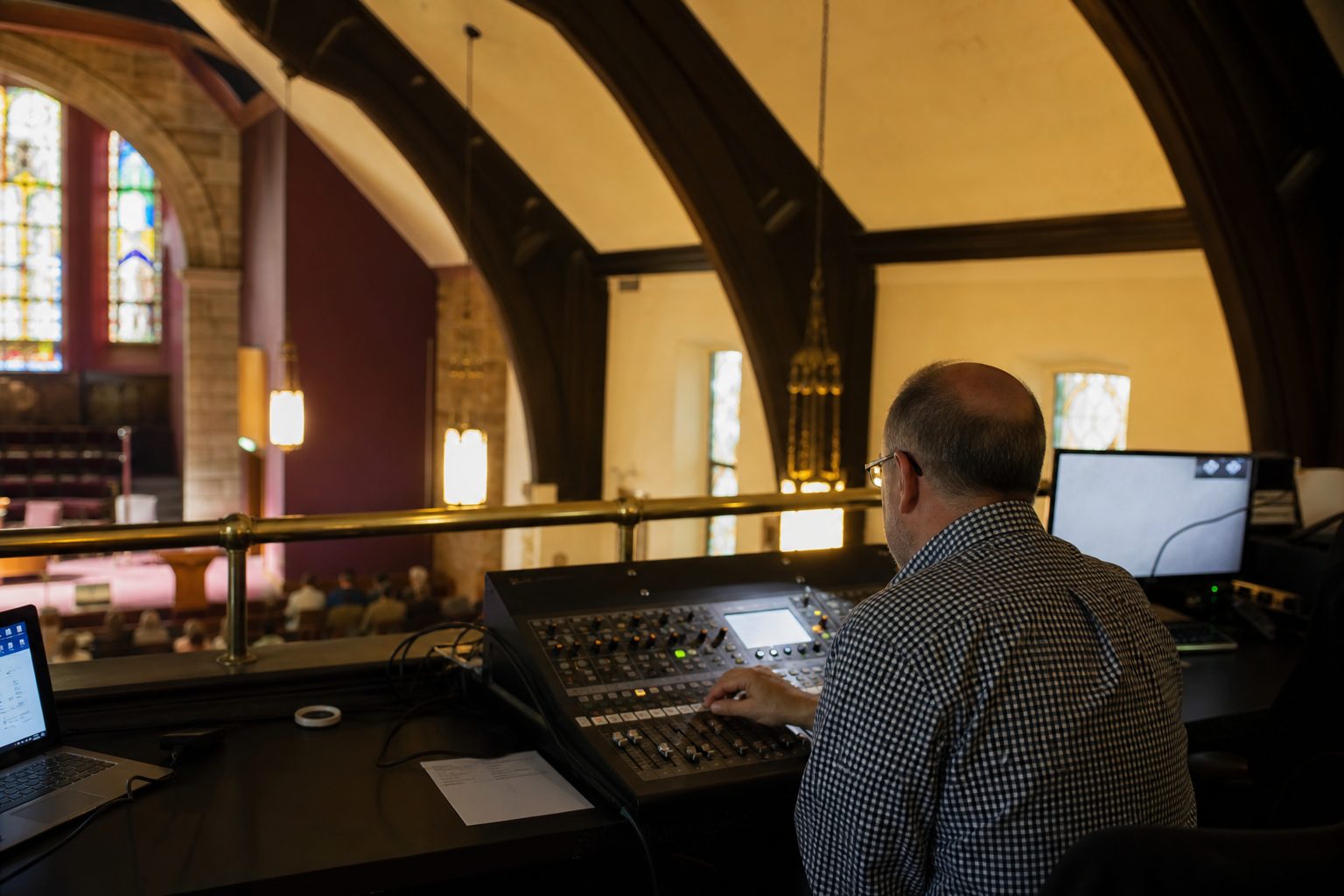
The Once a Month Volunteer: Staffing Sundays With Shorter Terms
Serving commitments are getting shorter, teams are getting older, and the tech booth has become a permanent role. What those shifts do to a small church rota, and how to build a schedule that expects them.